Retinoids
8 Best Global Retinaldehyde Serums (2025)

Retinaldehyde, often referred to as retinal, is a powerful, over-the-counter retinoid that has emerged as a preferred choice for those seeking visible anti-aging benefits with better skin tolerability. As a direct precursor to retinoic acid (the active form of vitamin A in the skin), retinaldehyde offers a balance between efficacy and gentleness, making it suitable for individuals looking to address fine lines, wrinkles, pigmentation, and loss of firmness.
MUST TRY: Skip the guesswork, take REGIME FINDER questionnaire and get dermatologist-approved products and regimes customised to your skin and hair needs.
Mechanism of Action
Retinaldehyde works by converting into retinoic acid (tretinoin) within the skin through a single metabolic step. Once converted, it binds to retinoic acid receptors (RARs) in skin cells, where it:
Stimulates collagen production, improving skin firmness and reducing wrinkles.
Enhances epidermal cell turnover, leading to smoother texture and more even tone.
Helps regulate melanin production, addressing pigmentation and sun damage.
Strengthens the dermal matrix over time, improving skin resilience.
Because it requires only one conversion step (retinol, by contrast, needs two), retinaldehyde is more potent than retinol but remains gentler than prescription tretinoin.
Efficacy
Multiple clinical studies support retinaldehyde’s effectiveness in reducing fine lines, improving elasticity, and brightening skin tone. Key findings include:
Comparable anti-aging results to retinoic acid when used consistently over several months.
Noticeable improvements in skin smoothness, firmness, and radiance within 8-12 weeks.
Reduced appearance of pigmentation and sun damage with ongoing use.
Importantly, retinaldehyde’s antimicrobial properties may also benefit those with mild acne or rosacea-prone skin.
Comparison with other Retinoids
Retinoid | Relative Potency | Conversion Steps to Retinoic Acid | Tolerability |
|---|---|---|---|
Tretinoin (retinoic acid) | Most potent (presciption needed) | None (already active) | Least tolerable; often irritating |
Retinaldehyde | Potent | 1 step | Moderate-high tolerability |
Retinol | Less potent | 2 steps | Better tolerated, slower results |
Retinyl esters (e.g. retinyl palmitate) | Minimal potency | 3+ steps | Very well tolerated, minimal effect |
Retinaldehyde offers an ideal balance for individuals who want visible results without the side effects often associated with tretinoin.
How to Use Retinaldehyde Cream
Start slow: Apply at night, 2–3 times per week, gradually increasing to nightly use as tolerated.
Cleanse first: Always apply on clean, dry skin.
Moisturize: Layer a gentle moisturizer over or alongside your retinaldehyde cream to reduce dryness or irritation.
Sun protection: Retinoids make skin more sensitive to the sun—apply broad-spectrum sunscreen daily.
How to Choose a Retinaldehyde Cream
When selecting a retinaldehyde cream, consider:
Concentration: Look for a product clearly stating the retinaldehyde percentage (commonly 0.05% or 0.1%).
Packaging: Opt for opaque, air-restrictive packaging (pumps or tubes) to protect the stability of retinaldehyde.
Supporting ingredients: Formulations with ceramides, hyaluronic acid, niacinamide, or antioxidants improve tolerability and boost results.
Brand reputation: Choose evidence-backed brands that prioritize ingredient stability and safety.
Best Retinaldehyde cream
1. Avene RetrinAL 0.1 Intensive Cream


1. Avene RetrinAL 0.1 Intensive Cream
Best for textured, sun-damaged and mature skin that can tolerate Retinol
Avene has 2 variants- 0.5% and 1 % retinaldehyde. You can start with 0.5% concentration and then move to 0.1 %.
0.1% Retinaldehyde (Retinal)
– A highly effective vitamin A derivative that promotes collagen production, accelerates cell renewal, and reduces the appearance of fine lines, wrinkles, and uneven texture.
– Offers powerful anti-aging benefits with better tolerability compared to tretinoin.Pre-Tocopheryl (Stabilized Vitamin E precursor)
– Provides strong antioxidant protection, helping to neutralize free radicals and support skin repair.Dextran Sulfate
– Helps improve microcirculation and reduces visible redness and puffiness.Avene Thermal Spring Water
– Soothes, softens, and calms sensitive or reactive skin, reducing the risk of irritation.
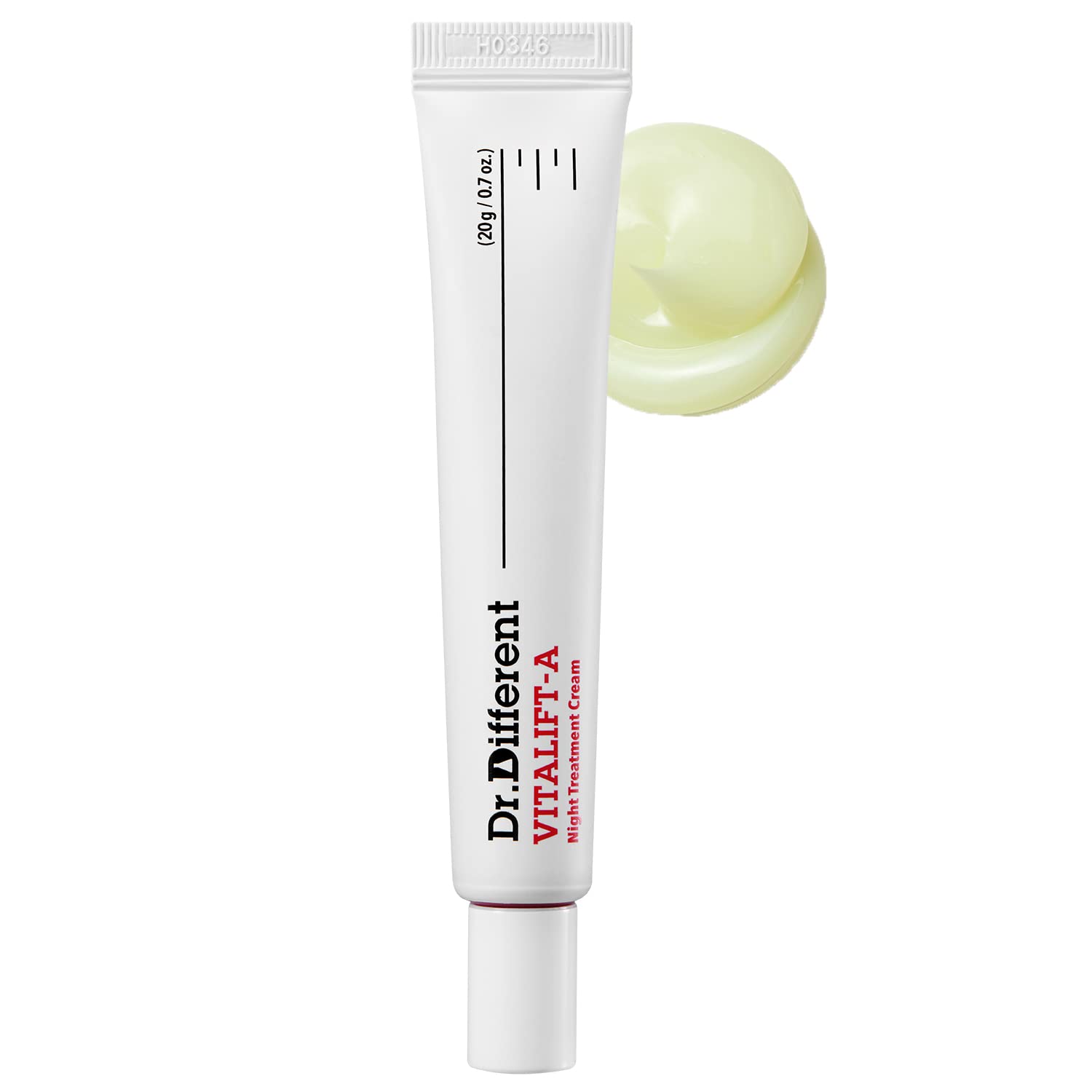
Dr.Different VITALIFT-A
Dr.Different VITALIFT-A
Best for dehydrated and mature skin that can tolerate Retinol
Retinaldehyde (Retinal) 0.05% – A potent vitamin A derivative that stimulates collagen production and accelerates cell renewal, visibly smoothing fine lines and improving texture.
Adenosine – A cell-communicating peptide that enhances collagen synthesis and may reduce the appearance of dynamic wrinkles.
Sodium Hyaluronate – A hydrating humectant that binds moisture to the skin, improving plumpness and smoothing rough texture.
Ceramide NP + Cholesterol + Squalane (Lipids) – Skin barrier–mimetic lipids that help restore barrier integrity, prevent moisture loss, and reduce irritation risk.
Tocopherol (Vitamin E) & Safflower Seed Oil – Antioxidant-rich emollients that protect against oxidative damage and soothe the skin.
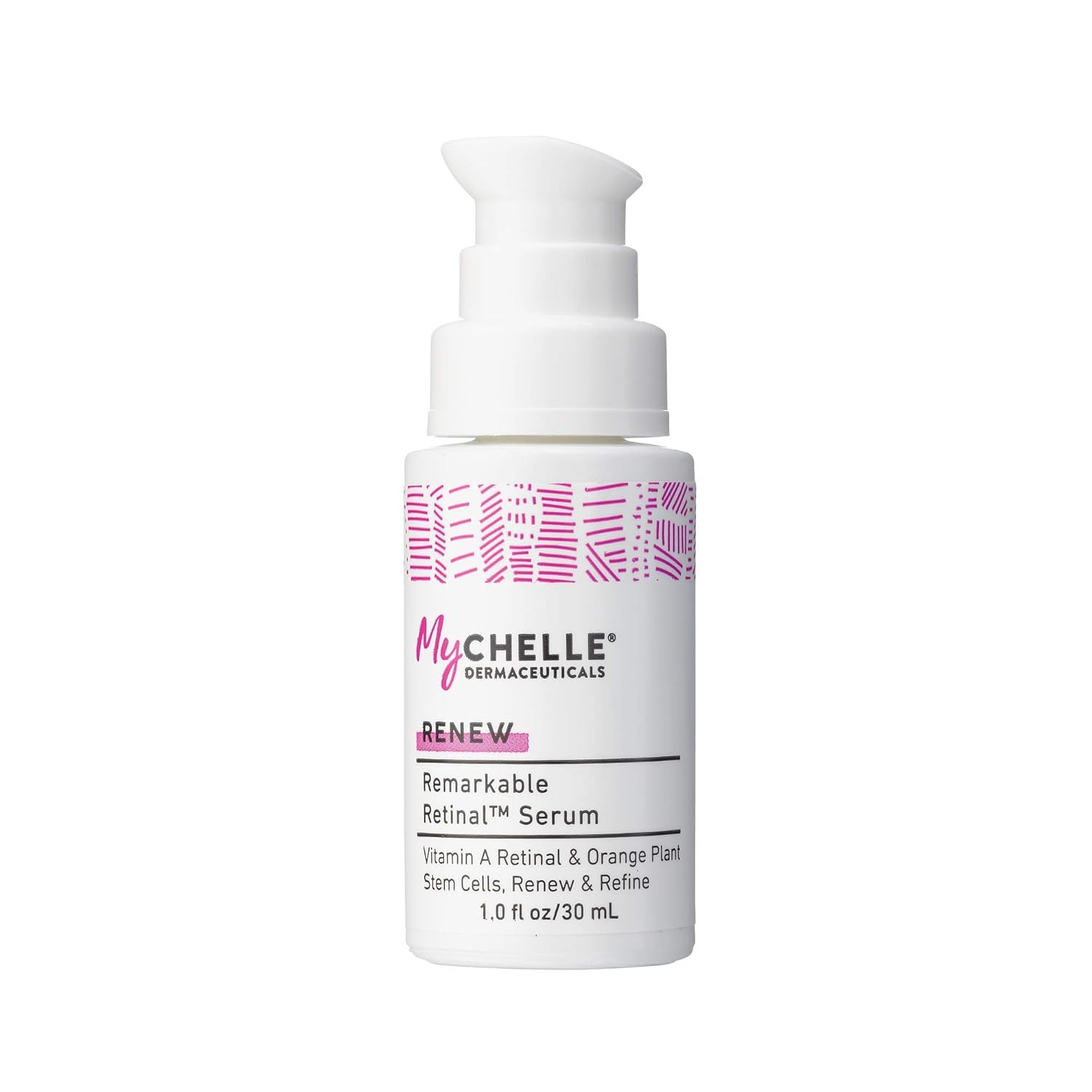
MyChelle Retinal Serum
MyChelle Retinal Serum
Best for non-sensitive mature skin that can tolerate Retinol
Pros:
This water-based formula contains 1% Retinaldehyde along with natural anti-aging and barrier-supporting ingredients.
Bakuchiol provide additional collagen-boosting and antioxidant benefits, enhancing the anti-aging effect.
Hydrating components like ceramides, glycerin, sunflower oil, and aloe vera help offset the potential dryness caused by Retinaldehyde.
The inclusion of Vitamin E, allantoin, and aloe vera offers soothing action, improving the product’s tolerability for most skin types.
Cons:
Contains essential oils such as eucalyptus oil, lemongrass oil, and lemon peel oil, which can act as irritants and may increase the risk of sensitivity or reaction when combined with Retinaldehyde, particularly in sensitive skin types.
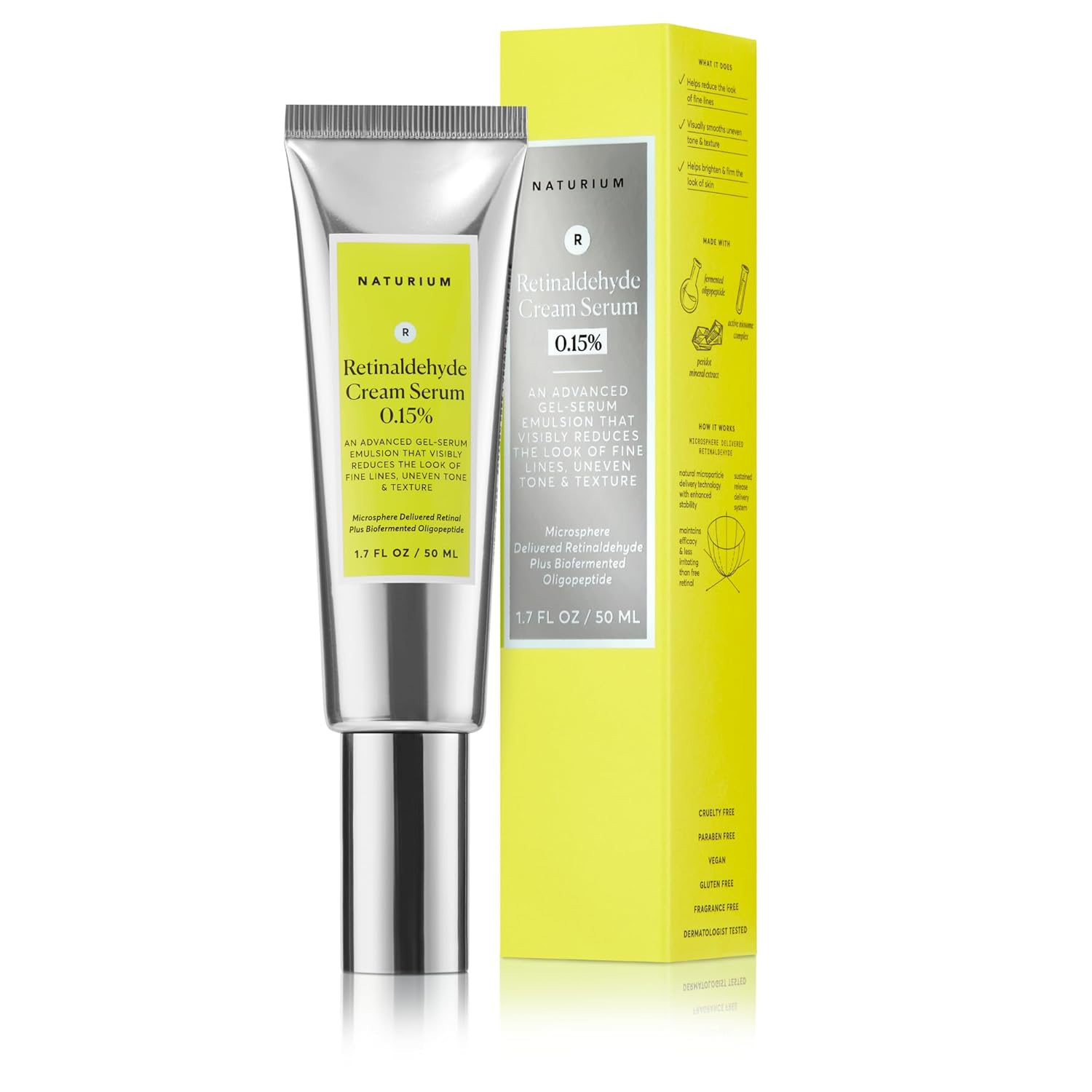
Naturium Retinaldehyde Cream
Naturium Retinaldehyde Cream
Best for sensitive and mature skin that can tolerate Retinol
has 3 variants with 0.05%, 0.10% and 0.15% retinaldehyde.
Formulated with bio-compatible hydrating ingredients like glycerin and squalane that help maintain skin moisture and minimize irritation.
Includes antioxidants such as tocopherol (vitamin E) and microalgae extract that provide additional protection against oxidative stress and environmental damage.
Features polyglutamic acid and hyaluronic acid derivatives for enhanced hydration and skin plumping.
The Ordinary Retinal 0.2% Emulsion
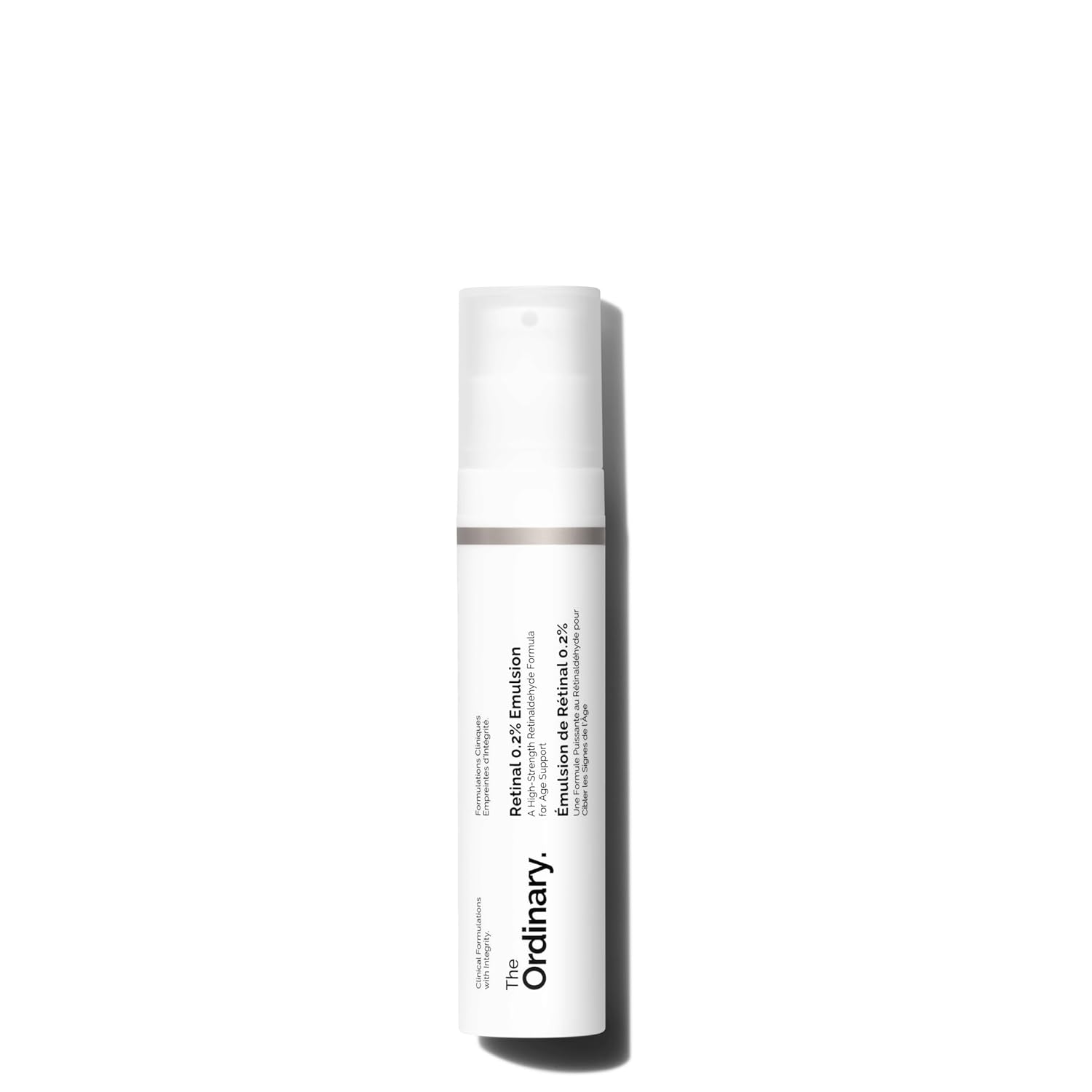
The Ordinary Retinal 0.2% Emulsion
Best for step-up approach for those who can tolerate lower conc. of Retinal
Pros:
Contains 0.2% retinaldehyde, one of the highest strengths available over the counter, offering accelerated collagen stimulation and skin renewal for visible reduction in fine lines, wrinkles, and uneven texture.
Formulated in a lightweight emulsion with moisturizing agents like glycerin and squalane to help counteract dryness and enhance skin comfort.
Packaged in airless, light-protective packaging to preserve retinaldehyde’s stability and potency.
Cons:
Lacks additiona activel ingredients (e.g., ceramides or niacinamide) that could further support tolerability or enhance anti-aging action.
Not for beginners
Medik8 Crystal Retinal
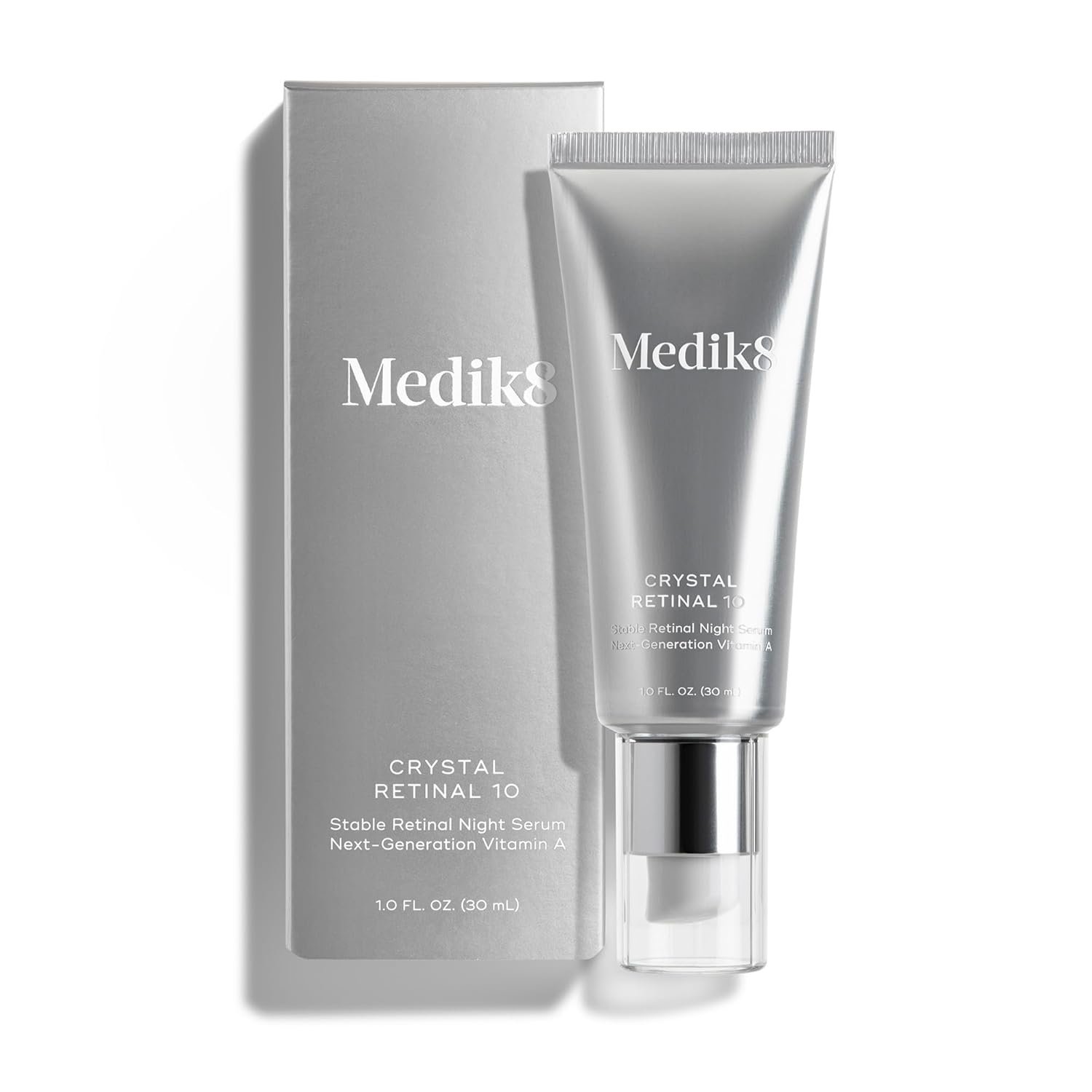
Medik8 Crystal Retinal
Best for beginners or sensitive skin for step up approach
Pros:
Has 5 variants for step up approach- 0.01, 0.03, 0.06, 0.1, 0.2 % encapsulated retinaldehyde, offering a gentle introduction to retinal for beginners or those with sensitive skin.
Uses encapsulation technology to enhance stability and controlled release, reducing irritation potential while maintaining efficacy.
Has Vitamin C for skin brightening action.
Enriched with hyaluronic acid, glycerin, and vitamin E to provide hydration, support the skin barrier, and deliver antioxidant protection.
Includes aloe vera to soothe the skin and boost tolerability.
Packaged in airless, opaque tubes to protect retinal from light and oxidation, ensuring product integrity.
Cons:
Premium pricing
ISDIN Isdinceutics Retinal Advanced
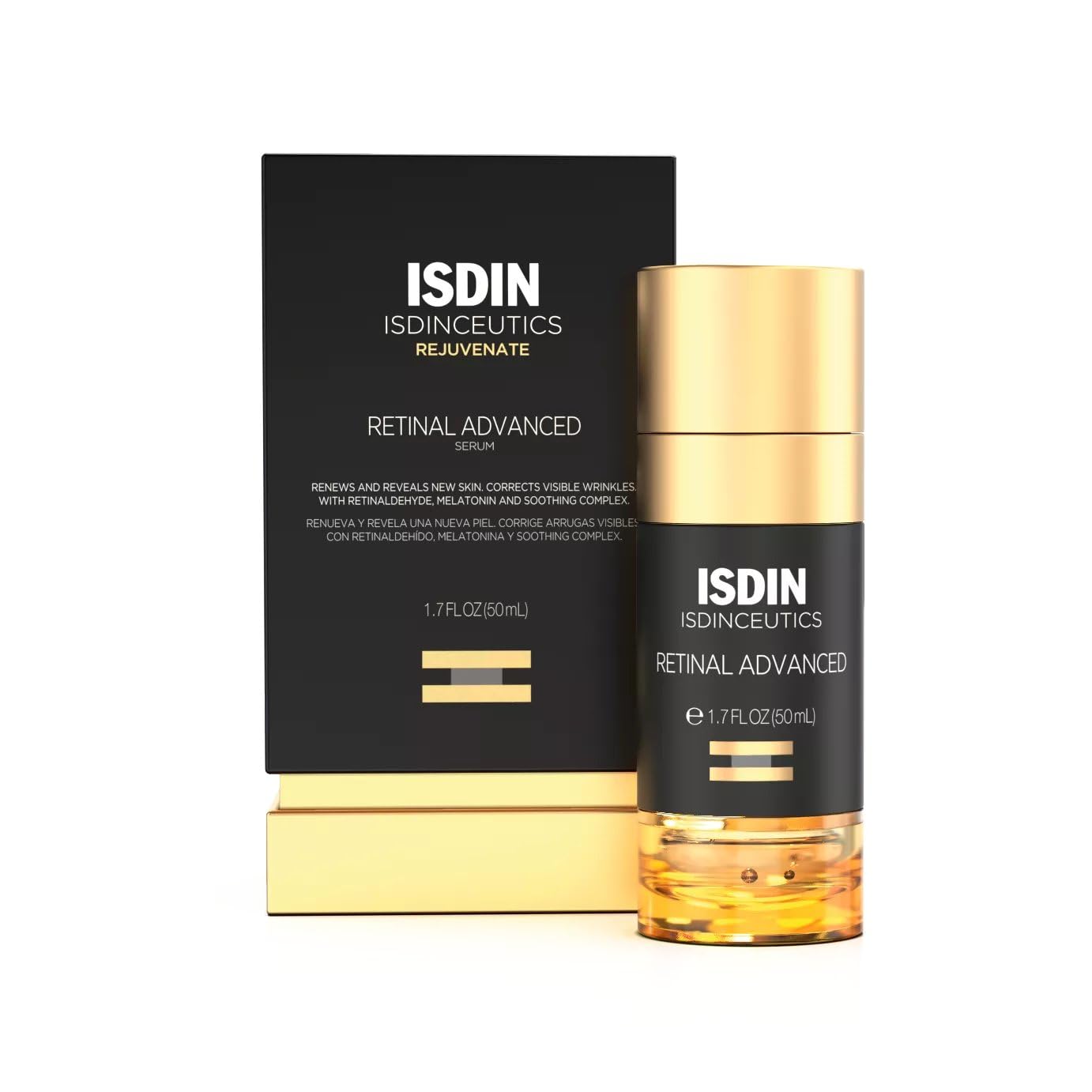
ISDIN Isdinceutics Retinal Advanced
Best for luxury product buyers
Pros:
Contains encapsulated retinaldehyde, which promotes collagen synthesis, accelerates cell turnover, and helps reduce fine lines and wrinkles with controlled, gradual release for better tolerability.
Enriched with melatonin, a potent antioxidant that supports overnight skin repair, enhances the skin’s natural defense system, and combats oxidative stress.
Includes hyaluronic acid and panthenol, providing hydration and helping reduce irritation risk.
Features vitamin E (tocopherol) for additional antioxidant protection and barrier support.
Packaged in airless, opaque packaging to maintain retinal stability and potency.
Cons:
The exact concentration of retinaldehyde is not specified, making it challenging to directly compare potency with other retinal products.
Expensive
.
Minimalist 0.1% Retinal Serum
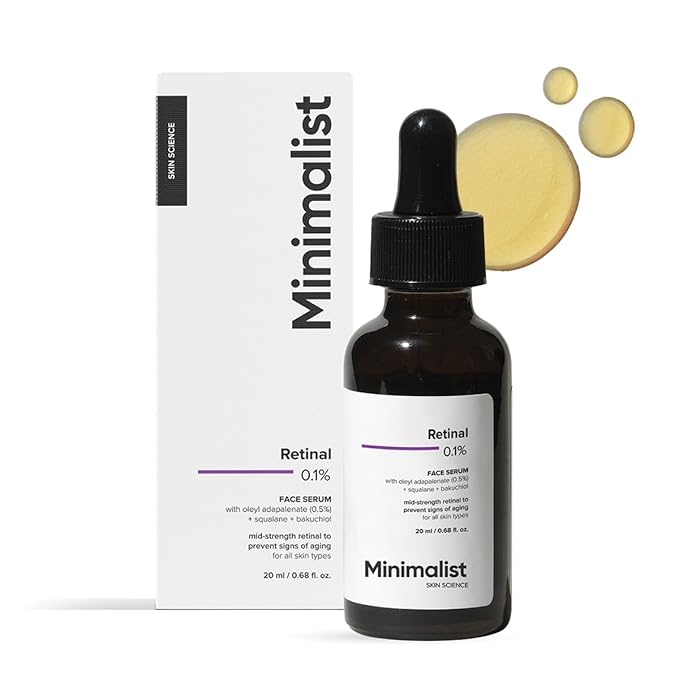
Minimalist 0.1% Retinal Serum
Best afforadable option
Pros:
Contains 0.1% retinaldehyde, a potent vitamin A derivative that effectively stimulates collagen production, improves skin texture, and reduces fine lines.
Includes bakuchiol, a plant-based retinol alternative that provides additional anti-aging benefits and enhances skin firmness with low irritation potential.
Enriched with squalane and caprylic/capric triglyceride, lightweight emollients that deeply nourish the skin and help maintain barrier integrity.
Tocopheryl acetate (vitamin E) offers antioxidant protection, helping neutralize free radicals and support skin repair.
The oil-based formula promotes slow, controlled absorption of retinal, improving tolerability.
Cons:
The rich, oil-based texture may feel heavy for oily or acne-prone skin types and could contribute to congestion in very oil-sensitive skin.
Does not contain additional hydrating humectants (e.g., hyaluronic acid or glycerin) that could complement the emollient base and further improve moisture balance.
Retinaldehyde cream is a standout option for those seeking significant anti-aging benefits without the high irritation risk of prescription retinoids. With consistent use and proper product selection, it can visibly enhance skin texture, firmness, and tone over time. To ensure you select the right product for your skin type and concern, consider trying our free Regime Finder Tool for a personalized skincare recommendation.
Not sure which one is right for you?
Answer a few questions and get a full AM and PM routine built for your skin — free, and put together by a dermatologist.