
Eczema
Dermatitis- Cause, Symptoms, Precautions And Treatment
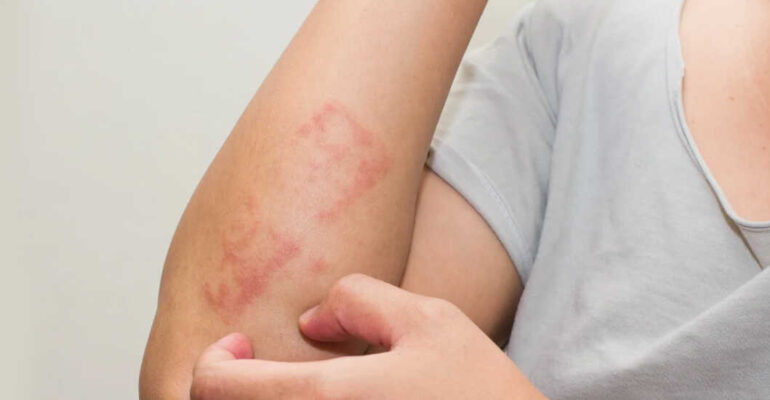
Dermatitis is a broad medical term describing inflammation of the skin. It includes various clinical subtypes such as atopic dermatitis, seborrheic dermatitis, nummular dermatitis, and contact dermatitis. Each form has distinct causes and clinical features. This article focuses specifically on contact dermatitis, addressing its etiology, symptomatology, preventive strategies, and therapeutic options based on the latest scientific evidence.
What is Contact Dermatitis?
Contact dermatitis is an inflammatory skin condition triggered by exposure to exogenous agents. It manifests in two primary forms:
Allergic Contact Dermatitis (ACD): A delayed hypersensitivity reaction involving T-cell mediated immunity. Small molecular weight allergens (<500 Daltons), known as haptens, penetrate the epidermal barrier and conjugate with skin proteins, forming complexes that elicit an immune response.
Irritant Contact Dermatitis (ICD): This variant arises from the direct cytotoxic effects of substances on the skin, without immune mediation. It is the most common occupational skin disease globally, accounting for approximately 80% of all contact dermatitis cases (Source: American Contact Dermatitis Society, 2024).
Symptoms of Contact Dermatitis
Clinical presentation varies depending on the severity and type of exposure. Common manifestations include:
Erythematous rash localized to the contact area
Target or annular lesions
Purpuric patches (resembles subdermal bleeding)
Hyper- or hypopigmentation in chronic cases
Notably, the rash may appear in distant sites due to systemic spread or autoeczematization.
Causes of Contact Dermatitis
Contact dermatitis can be triggered by a variety of substances.
Allergen Name | Common Sources to Avoid |
|---|---|
Paraphenylene Diamine (PPD) | Hair dyes, black henna tattoos, textile dyes |
Neomycin | Antiseptic creams, topical antibiotic ointments |
Fragrances (e.g., cinnamal, hydroxycitronellal) | Perfumes, scented soaps, shampoos, deodorants, moisturizers |
Nickel | Artificial jewelry, watch straps, bra hooks, belt buckles, jean buttons |
Formaldehyde & Formaldehyde-Releasers | Nail hardeners, hair straighteners, cosmetics, textiles, cleaning agents |
Benzocaine | Throat lozenges, dental gels, first-aid creams |
Potassium Dichromate | Cement, leather goods, construction materials |
Carbamates & Thiurams | Rubber gloves, elastic materials, rubber footwear |
Mercaptobenzothiazole (MBT) | Rubber gloves, tires, sports shoes |
Isothiazolinones (e.g., MI/MCI) | Wet wipes, baby products, moisturizers, household cleaners, shampoos |
Cocamidopropyl Betaine | Shampoos, bubble baths, facial cleansers |
Essential Oils (e.g., tea tree, lavender, citrus) | Natural or organic skincare, massage oils, aromatherapy products |
Disperse Dyes | Dark-colored synthetic fabrics, especially nylon, polyester |
Formaldehyde Resins | Wrinkle-free or permanent-press clothing, especially cotton blends |
Sunscreen Agents (e.g., Oxybenzone, Octocrylene) | Sunscreens, BB creams, anti-aging creams with SPF |
Acrylics & Methacrylates | Artificial nails, dental materials, hearing aids, orthopedic appliances |
Lanolin | Emollient creams, lip balms, nipple creams |
Propylene Glycol | Lotions, injectables, topical medications, processed foods |
Precautions
For individuals diagnosed with contact dermatitis through a patch test, the following precautions are essential:
Avoid Direct Contact: Patients must avoid direct skin contact with identified allergens, as there is currently no known method to desensitize individuals to these substances.
Monitor Improvement: After eliminating contact with the allergen, skin improvement may take anywhere from 3 to 6 weeks, or sometimes longer.
Localized Reactions: The areas of skin that come into the most contact with the allergen will typically exhibit the most severe rash.
Consider Other Allergens: If avoidance does not lead to complete improvement, it may be necessary to investigate other potential allergens or irritants
Treatment
Treatment varies depending on acute versus chronic manifestation:
Acute Dermatitis
For intense weeping or oozing lesions, especially after PPD exposure:
Systemic corticosteroids for 2–3 weeks
Topical corticosteroids and emollients
Long-term counseling on allergen avoidance
Chronic Dermatitis
Prolonged corticosteroid use is discouraged.
Treatment includes:
Topical corticosteroids as per body area and lesion type
Intralesional steroids for thickened plaques
Antihistamines for pruritus
Rarely, systemic immunosuppressants like azathioprine for recalcitrant cases
Conclusion
Contact dermatitis is preventable and manageable, provided the inciting agent is correctly identified and eliminated. Overemphasis on food triggers often delays diagnosis—attention should instead focus on common culprits such as hair dyes, artificial jewelry, skincare products, textiles, and occupational irritants.