Home Made
9 Researched Benefits of Milk For Face I Dermatologist Guide
Using milk on your face can act as a gentle, soothing cleanser or DIY mask for dry or sensitive skin, but it is not a miracle anti-aging cream or heavy-duty brightener. Because fresh milk contains only trace amounts of lactic acid compared to clinical skincare, it offers softness rather than dramatic wrinkle reduction or tan removal. If you have acne-prone skin, it is best to skip it, as dairy products are linked to breakouts. Always use pasteurized milk to avoid severe infection risks, perform a patch test first, and consult a dermatologist if irritation occurs.
“Doctor, is milk good for the face? How do I use it?” As a dermatologist, I hear this question often.
Milk contains components like lactic acid and natural fats that can offer mild hydration and gentle surface softening for dry skin types. However, like many home remedies, it is not a standardized or scientifically tested cosmetic active, and it should be avoided if you have oily or acne-prone skin.
While milk is frequently featured in traditional beauty routines, most of these applications stem from generational home practices rather than clinical facial trials. Where scientific data exists, we rely on it; where it does not, we keep our approach transparent. Below are 9 traditional uses of milk and what the evidence actually shows.
Where to start skincare journey? Take Dermatocare's ROUTINE FINDER to get dermatologist-approved products and regimes customised to your skin and hair needs.
1. Milk for washing face
Best for: Dry, normal, or sensitive skin. Avoid if you are acne-prone.
How it works: Milk contains natural fats, proteins, and trace lactic acid that can loosen surface oils and light debris, leaving skin feeling soft. However, it cannot replace a proper cleanser or oil-based remover when breaking down stubborn sunscreen or heavy makeup.
How to use: Massage fresh milk on the face. Rinse off with water and pat dry with a soft towel. Or else, make this homemade face wash for dry skin by combining milk powder with oats.
2. Milk as moisturiser
Milk offers light, short-lived hydration. Because it is primarily water balanced with fats and proteins, it can temporarily soften dehydrated skin, but it evaporates quickly and cannot substitute for a proper, barrier-repairing moisturizer.
In clinical practice, I occasionally suggest pure ghee at night for patients with severely dry or dehydrated skin on the body especially lips, hands and feet who are not allergic to milk. This is an experience-backed, traditional recommendation rather than a trial-proven protocol.
3. Milk for skin whitening
Milk can help skin look momentarily brighter, but it is not a dedicated pigmentation treatment. The theory is that lactic acid helps shed pigmented dead surface cells. While true for cosmetic-grade acids, milk contains so little that any effect is mild and slow.
Pigmentation often needs a dedicated routine based on skin type and wether you are beginner or advanced user. Do take Dermatocare's ROUTINE FINDER to get dermatologist-approved solutions.
4. Milk for ageing skin
There is no clinical evidence that applying milk to the face reduces wrinkles. While Cleopatra's legendary milk baths are iconic history, they do not constitute scientific proof. While 5% to 12% lactic acid formulations improve fine lines, a splash of milk cannot replicate that effect.
A gentle milk wash is fine for sensory enjoyment, but for visible anti-aging results, broad-spectrum sunscreen and proven retinoids are essential. .
5. Milk for sensitive skin
Dry, sensitive skin types often find milk soothing, but individual reactions vary. It works best on red, tight skin that is not acne-prone and free from milk allergies. Massage gently, rinse, and pat dry. If stinging or redness occurs, stop immediately. Always patch-test on your inner forearm first as explained in Sensitive skin care: Dermatologist Guide
6. Milk for sunburn
A cool, damp cloth provides reliable comfort for sunburns; whether milk adds extra therapeutic benefit remains unproven. Dermatological guidelines for sunburn recommend cool baths or showers, cold compresses, soothing moisturizers containing aloe vera or soy, and increased water intake.
If you use milk, chill it first, soak a soft cloth, and apply it as a cold compress. Use low-fat or skimmed milk rather than whole milk or heavy cream, as excess fat can trap skin heat. Rinse thoroughly afterward.
Seek immediate medical attention for blistering, fever, chills, or widespread burns.
7. Milk for cracked heels
A milk foot soak softens dead skin layers, making subsequent mechanical exfoliation and moisturization more effective for cracked heels.
Foot Soak Recipe: Add half a cup of milk, 5 tablespoons of oats, and 5 tablespoons of coconut oil to a tub of warm water. Soak for 15 minutes, gently buff with a pumice stone, rinse, and moisturize with pure ghee.
Note: Deep, painful, bleeding cracks or any foot cracks in individuals with diabetes require professional medical care. Milk helps in repairing by exfoliating the dead skin. It eliminates the dryness of the skin on your heels.
8. Milk for hair re-growth
There is no scientific proof that milk or buttermilk regrows hair. While buttermilk can condition hair strands and provide surface-level moisture and protein, it cannot stimulate dormant hair follicles. If you are experiencing progressive hair thinning, seek a proper clinical diagnosis and take Dermatocare's ROUTINE FINDER to get dermatologist-approved solutions for mild hair fall.
9. Milk bath
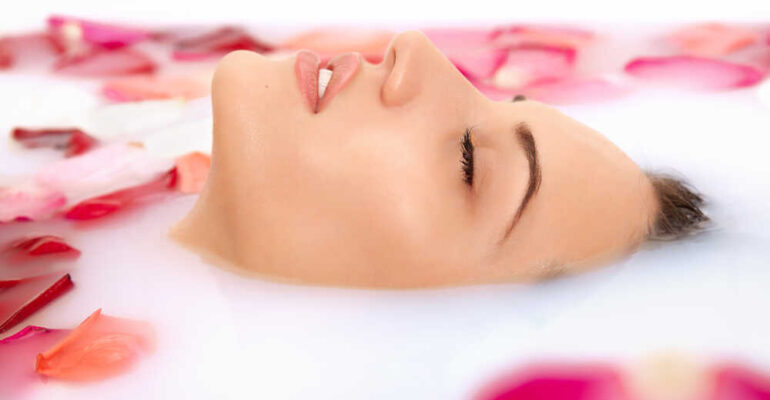
A milk bath is a soothing, low-risk indulgence for dry skin. Add milk to warm (not hot) bath water, optionally tossing in oats and rose petals for a home spa experience. Keep baths short, as hot water strips natural moisture, then rinse off and apply a rich moisturizer.
Is raw milk better than pasteurised milk?
Always use pasteurized milk. While some traditional routines advocate for raw milk under the assumption that heat destroys beneficial enzymes, there is zero evidence that raw milk performs better cosmetically.
Conversely, raw milk carries dangerous pathogens such as Salmonella, E. coli, Listeria, and Campylobacter.The FDA strongly warns against raw milk consumption, and a comprehensive US review identified 202 disease outbreaks linked to unpasteurized milk over a twenty-year span. While topical skin contact carries a lower systemic risk than ingestion, individuals with broken skin, active sunburns, pregnant women, and children should strictly avoid raw milk on the skin.
Who Should Avoid Milk on the Face?
Acne-Prone Skin: Systematic reviews and meta-analyses of observational studies link dairy intake to increased acne risk (odds ratios hovering around 1.25 to 1.28). While this data addresses dietary consumption rather than topical washes, residual milk proteins and fats form an occlusive film that can easily congest oily or breakout-prone skin.
Milk Allergy or Infantile Eczema: Topical food proteins in cosmetic or home remedies can trigger contact urticaria (hives) and allergic contact dermatitis, particularly in infants and atopic skin profiles. Avoid milk on infant skin.
Broken, Infected, or Highly Inflamed Skin: Compromised skin barriers absorb proteins unpredictably, elevating the risk of allergic sensitization and irritation.
Frequently asked questions
It can be beneficial for dry, normal, or non-acne-prone sensitive skin by offering light cleansing and softness, but it remains a mild home remedy rather than an active skin treatment.
Conclusion
Milk is a gentle, inexpensive home remedy for dry or sensitive skin that is not prone to breakouts. It will not mimic a professional lactic acid serum, nor will it cure deep pigmentation, wrinkles, or hair loss. Always use pasteurized milk, conduct a patch test before full application, and consult a dermatologist if skin concerns persist.
References
Smith WP. Epidermal and dermal effects of topical lactic acid. J Am Acad Dermatol 1996;35(3):388-391.PMID: 8784274. doi:10.1016/s0190-9622(96)90602-7
Stiller MJ, Bartolone J, Stern R, et al. Topical 8% glycolic acid and 8% L-lactic acid creams for the treatment of photodamaged skin. A double-blind vehicle-controlled clinical trial. Arch Dermatol1996;132(6):631-636. PMID: 8651713
American Academy of Dermatology. How to treat sunburn. Available online.
U.S. Food and Drug Administration. The dangers of raw milk: unpasteurized milk can pose a serious health risk. Available online.
Koski L, Kisselburgh H, Landsman L, et al. Foodborne illness outbreaks linked to unpasteurised milk and relationship to changes in state laws, United States, 1998-2018. Epidemiol Infect 2022;150:e183.PMID: 36280604. doi:10.1017/S0950268822001649
Juhl CR, Bergholdt HKM, Miller IM, et al. Dairy intake and acne vulgaris: a systematic review and meta-analysis of 78,529 children, adolescents, and young adults. Nutrients 2018;10(8):1049. PMID:30096883. doi:10.3390/nu10081049
Aghasi M, Golzarand M, Shab-Bidar S, et al. Dairy intake and acne development: a meta-analysis of observational studies. Clin Nutr 2019;38(3):1067-1075. PMID: 29778512.doi:10.1016/j.clnu.2018.04.015
Codreanu F, Morisset M, Cordebar V, et al. Risk of allergy to food proteins in topical medicinal agents and cosmetics. Eur Ann Allergy Clin Immunol 2006;38(4):126-130. PMID: 16805419
Medical & Editorial Disclaimer: This guide is educational content, not individualized medical advice, diagnosis or treatment. It reflects Dermatocare's own ingredient-database screening, applied as a precautionary framework, together with publicly available formulation and regulatory information. This content does not replace individualized consultation with a dermatologist. Always verify the current ingredient list against the product label, since formulations change without notice.