
Corn & Callus
How to Get Rid of Calluses at Home: 7 Steps Guide from Dermatologist
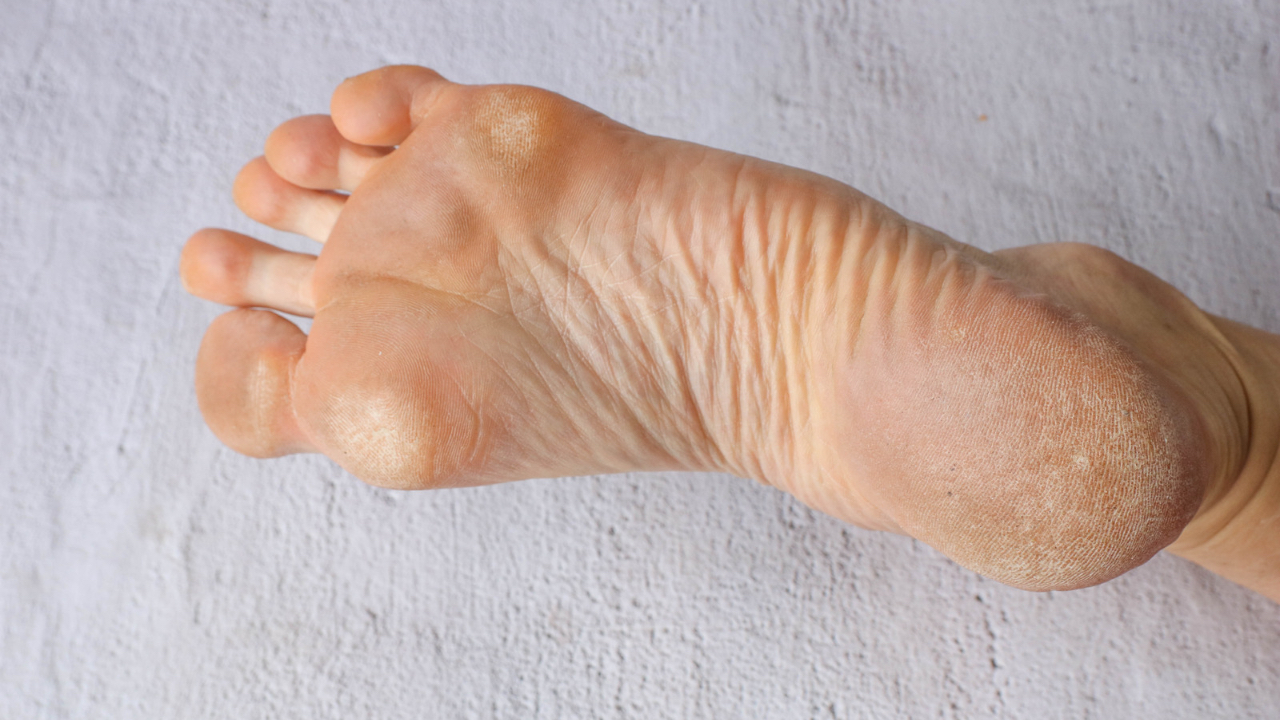
Calluses form from repetitive friction and pressure on toes, feet, or knees. To remove them at home, first identify and cushion the source of pressure. Soften the thick skin with a warm soak, gently exfoliate using a pumice stone, or target it with a salicylic acid corn cap or liquid paint. Never cut calluses yourself, and always consult a doctor if you have diabetes or poor circulation.
“Doctor, the skin on my toes is getting thickened and less sensitive to touch. Is it toe callus? How do I get rid of it?”
Calluses are areas of diffuse thickening that develop due to intermittent pressure or friction on a broader area of skin like palms, soles, knees, etc. They are painless, unlike corns, and the thickened skin is often less sensitive to touch. In this article, we will highlight what causes callus and a step-to-step guide on how to get rid of callus.
What causes callus?
Calluses appear wherever skin is rubbed or pressed repeatedly over time. Common culprits include athletic activities, occupational hobbies, daily habits, or footwear friction:
Boxers: Knuckles
Joggers & Runners: Toes (and friction points elsewhere)
Violinists: Neck
Bowlers & Writers: Hands
Daily Prayer: Knees (commonly known as "prayer calluses")
Footwear Issues: Bunions or hammertoes causing the foot to rub constantly against shoes
The golden rule of getting rid of a callus is simple- find the activity or pressure point causing it. If you don't eliminate the friction, the callus will simply return.
7 Steps to Get Rid of a Callus at Home
Here is a step-to-step guide on how to get rid of callus at home:
1. Identify the activity that is causing callus:
Keep a watch on all the activities that put pressure or friction on the callus area, and then find out which one is done by you repetitively.
2. Change the activity to avoid pressure:
If possible, modify that activity so that minimum or no pressure is exerted on that area.
3. Pad or cushion the area of the callus:
This might involve wearing gloves or socks, bandaging, padding with cotton or foam or wearing protective rings, etc., in the callus area.
4. Pad or cushion the cause of callus:
If you cannot pad the callus, you could pad the cause of the callus, like using a soft matt below your knees while praying.
5. Soften the callus:
Dip your feet/knee callus in warm water for 15 minutes to soften the callus, followed by gentle rubbing with a pumice stone.
6. Cap the callus:
There are varieties of corn caps available OTC with varied concentrations of salicylic acid. Soften the callus by soaking in warm water, followed by thorough drying. Put the corn cap over the callus only. Avoid on the normal skin.
Dr. Scholl’s Corn Remover is medicated disc contains Salicylic Acid 40%, a keratolytic agent that softens thickened skin for easier removal. Corn caps work by removing the hard and dead skin of corn or callus with the help of salicylic acid. It is important to use the corn cap in the right way, as explained here.
7. Paint the toe/knee callus:
As a dermatologist, I prefer corn paints instead of corn caps to eliminate callus. Corn paints are a collodion mixture of salicylic acid and lactic acid available by prescription or otherwise. They can be applied precisely over the callus without spillage owing to their thick consistency and instant drying property. The is better option for knee callus.
Dr. Scholl’s Corn/Callus Remover Liquid contains 17% salicylic acid, an effective concentration that helps by softening and peeling away the thick, hardened skin on corns or calluses. Click here to know more about it.
Important Safety Warning:
If you have diabetes, poor blood flow (circulation), or numb feet, do not use pumice stone, acid caps or paints on your own. Reduced sensation or slow healing means minor chemical irritation can quickly lead to severe wounds.
What is the treatment to get rid of the knee/toe callus?
You might need a consultation with a general physician, chiropodist or dermatologist if the above measure does not help eliminate callus.
In a clinic, a professional may prescribe specialized treatments or perform paring the gentle, painless scraping away of dead callus tissue using a sterile surgical blade. Because a callus lacks blood vessels, this process does not hurt and will not bleed.
Frequently asked questions
No. A callus is a broad, flat patch of thick skin that is typically painless. A corn is smaller, more localized, and frequently painful when pressed.