
Genital care
Male Intimate Hygiene: A Dermatologist’s Guide
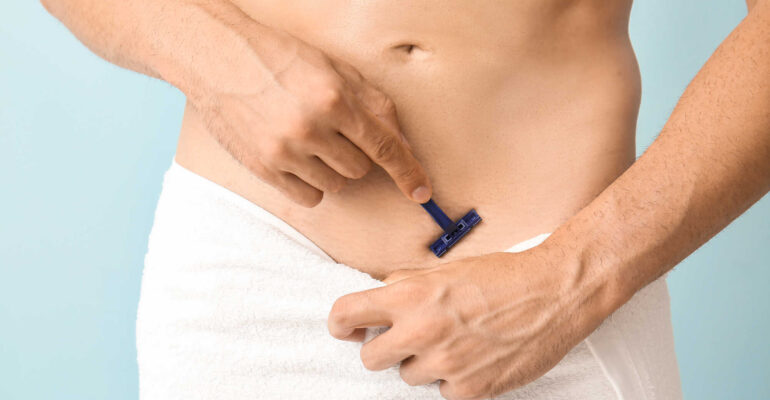
Wash the male genital area daily with lukewarm water and a mild, fragrance-free cleanser if needed. Uncircumcised men should gently clean beneath the foreskin to remove smegma, while also rinsing sweat folds. Avoid scrubbing, harsh soaps, or hair removal creams. Pat dry and wear loose cotton underwear. Consult a doctor for persistent itching, unusual discharge, sores, or sexual discomfort.
Taking care of the genital area is simple. You need to keep it clean without overdoing it. Here are the basic do's and don'ts, so you stay clean, comfortable and confident.
Related reading
What Is Normal?
Anatomy: The penis has a shaft and a head (the glans). The scrotum is a thin pouch of skin that holds the testicles. In men who are not circumcised, the head is covered by a fold of skin called the foreskin. Urine and semen both leave through the same opening at the tip of the penis.
Small white bumps: It is normal to have small white bumps around the rim of the penis head. They are called pearly penile papules, and they are harmless.
The scrotum: It keeps the testicles cooler than the rest of the body, which sperm need. So avoid anything that makes the scrotum too warm.
Is Discharge Under the Foreskin Normal?
Yes. From puberty onwards, glands in the head of the penis make a lubricant. It mixes with dead skin cells to form a whitish substance called smegma. It is normal, but clean it away regularly so it does not cause odour or irritation.
How to Clean the Genital Area
Clean gently and regularly.
Wash the penis and scrotum daily with lukewarm water. A mild, fragrance-free cleanser can be used if needed.
If you are uncircumcised, gently pull back the foreskin and rinse away any smegma under it.
Clean the fold between the penis and the scrotum. Sweat and bacteria build up there.
Pat dry with a clean towel or a tissue, especially in the skin folds.
Wear loose, breathable cotton underwear. Trapped moisture can lead to bacterial or fungal infections.
Avoid:
Scrubbing hard.
Antiseptic liquids.
Perfumed soaps, wipes or powders.
Do You Need to Remove Pubic Hair?
No. Pubic hair has a protective role. But trimming it regularly can reduce sweat, odour and irritation. If you decide to remove hair:
Use a clean, well-kept trimmer, and take care of the scrotum.
Avoid hair removal creams. They can burn the sensitive skin.
Laser hair removal is a long-term option that is popular, and it should be done by trained professionals.
When to See a Doctor
See a doctor if you have any of these:
More discharge, or discharge with pus, especially with pain or soreness. It may be an infection.
Itching, burning or irritation that does not go away. It could be a skin condition.
Sores, raw areas, bumps or fluid-filled blisters. Get these seen straight away.
Pain during sex. It is not normal and should be looked at.
Changes in erection or ejaculation that last. Talk to a specialist.
Final Thoughts
Genital hygiene is essential to your overall health and well-being. The key is balanced care keeping the area clean, dry, and free from harsh chemicals or friction. Incorporating these practices into your daily routine can help prevent infections, irritation, and discomfort.
If you’re ever unsure or notice symptoms that concern you, don’t hesitate to consult a dermatologist or urologist. Early diagnosis and treatment can make all the difference in managing both dermatological and sexual health concerns.
Frequently asked questions
Once a day with lukewarm water. A mild, fragrance-free cleanser can be used if you need it. Washing more than that, or scrubbing, can irritate the skin.