
Boils
Boils: Causes, Symptoms, Treatment
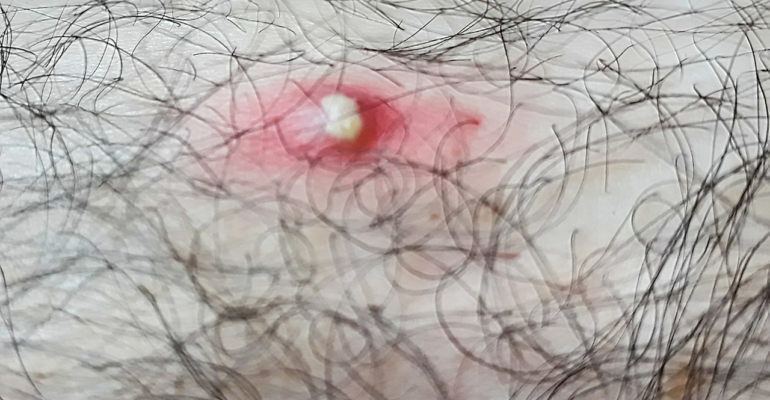
Boils, also known as furuncles, are painful, pus-filled nodules that develop beneath the skin due to bacterial infection of a hair follicle or sebaceous gland. While they are typically self-limiting, they can be distressing and occasionally lead to complications if left untreated. A sound understanding of their etiology and management can help prevent recurrence and spread.
What Causes Boils?
The majority of boils are caused by Staphylococcus aureus, a bacterium that normally lives on the skin. When it enters through a cut, scratch, or hair follicle, it triggers an immune response, leading to localized pus accumulation and inflammation.
Common risk factors include:
Poor hygiene or skin trauma
Excessive sweating and friction
Immunosuppression (e.g., diabetes, HIV)
Shaving or waxing
Close contact with infected individuals
Who is Most at Risk?
Boils can affect individuals of any age but are most common in:
Adolescents and young adults
Elderly individuals with fragile skin
Athletes and gym-goers
People with diabetes or immune deficiencies
Children with poor hygiene habits
Symptoms of Boils
A red, tender lump that gradually enlarges
Central yellow-white pus point
Surrounding warmth and erythema
Possible fever or fatigue if infection spreads
In severe cases, multiple boils may coalesce into a carbuncle
Potential Complications
Deep abscess formation
Cellulitis (skin infection spreading to surrounding tissues)
Scarring or pigmentation changes
Bloodstream infection (rare but serious)
Recurrent boils, especially in nasal carriers of Staph aureus
Treatment of Boils
1. Home Remedies
Apply warm compresses 3-4 times a day to facilitate drainage
Keep the area clean and avoid manipulation or squeezing
Use antibacterial soaps on affected regions
2. Over-the-Counter (OTC) Solutions
In mild or early-stage boils, or on painful wounds and cuts where infection prevention is crucial, topical antibiotics such as:
Neomycin ointment
Betadine (Povidone-Iodine)
3. Topical or Oral Antibiotics
Topical: Mupirocin or fusidic acid for localized infections
Oral: Cloxacillin, amoxicillin-clavulanate, or clindamycin for widespread or severe cases
4. Incision and Drainage
Required for large, fluctuant boils that do not drain spontaneously
Should only be done by a trained healthcare provider
Prevention of Boils
Maintain good personal hygiene
Avoid sharing razors, towels, or clothing
Wear breathable fabrics, especially in warm climates
Manage underlying conditions like diabetes
For recurrent cases, nasal decolonization with mupirocin and antiseptic washes may be required
When to See a Dermatologist
Seek medical consultation if:
The boil is unusually large, painful, or persists beyond 7 days
You have a fever or systemic symptoms
There are multiple boils or recurrent infections
You are diabetic, immunocompromised, or on immunosuppressants
The lesion is located on the face, near the eyes, or over joints or spine
In Conclusion
Boils, though common, warrant prompt attention to prevent complications and recurrence. Early-stage boils can often be managed with OTC topical agents like Neomycin and Betadine, but personalized application is key. Use our Regime Finder Tool to ensure you’re applying these products correctly and safely for your specific skin type and condition.
Stay informed. Stay hygienic. And consult your dermatologist when in doubt.